Quick answer
If your AC is running but not cooling, the cause is almost always one of seven things: a dirty air filter, a wrong thermostat setting, a dirty outdoor unit, a frozen coil, low refrigerant from a leak, a failed capacitor, or a failing compressor. Check the filter, thermostat, and breaker first — those three account for a large share of "broken" AC calls. If the air still is not cold, the rest need a technician.
An air conditioner that runs all day without cooling is doing the cardio without the results — a lot of effort, no payoff, and a power bill that climbs anyway. The good news: why your AC is not cooling usually comes down to a short list, and two or three of those you can rule out yourself in about a minute.
Below are the seven causes in the order a technician actually checks them — free fixes first, sealed-system faults last — plus two that most checklists skip and one that is specific to running an AC in Jacksonville.

First: the 60-second checks
Before you assume the worst, rule out the cheap stuff. A surprising number of "broken" air conditioners are a thermostat on the wrong setting or a tripped breaker. Walk these first:
- Thermostat — set to COOL, not FAN, a few degrees below room temperature. On FAN the blower moves air but cools nothing.
- Breaker — a system has two, one indoor and one outdoor. Reset once. If it trips again, stop and call; that is the system protecting you from a fault.
- Filter — pull it. If you cannot see light through it, replace it. A clogged filter alone can stop cooling.
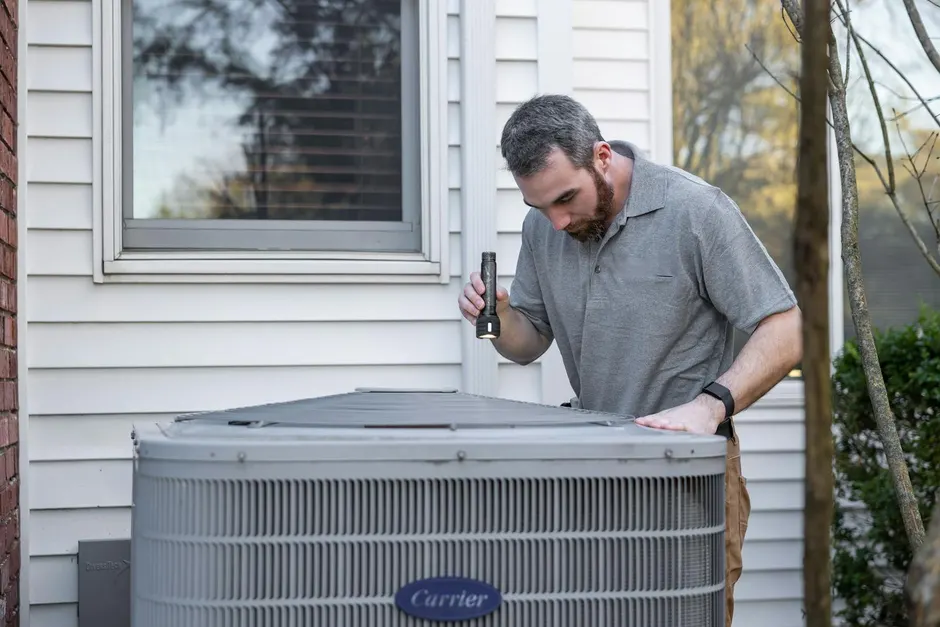
- Outdoor unit — is the big fan spinning? A unit that hums without starting is usually a failed capacitor.
7 reasons your AC is running but not cooling
If the blower works and air is moving but it is not cold, the problem is on the cooling side, not the power side. Here is the list, cheapest to most serious.
1. A dirty air filter
The single most common cause, and the cheapest. A choked filter starves the system of airflow, which weakens cooling and can freeze the coil. Check it monthly in cooling season and replace it when it is dirty — not on a fixed calendar.
2. The thermostat is set wrong (or failing)
COOL versus FAN, a dead battery, or a thermostat that has lost calibration all read as "no cooling." Confirm the setting before anything else. It is one of the most common service calls there is, and it costs nothing to rule out.
3. A dirty or blocked outdoor unit
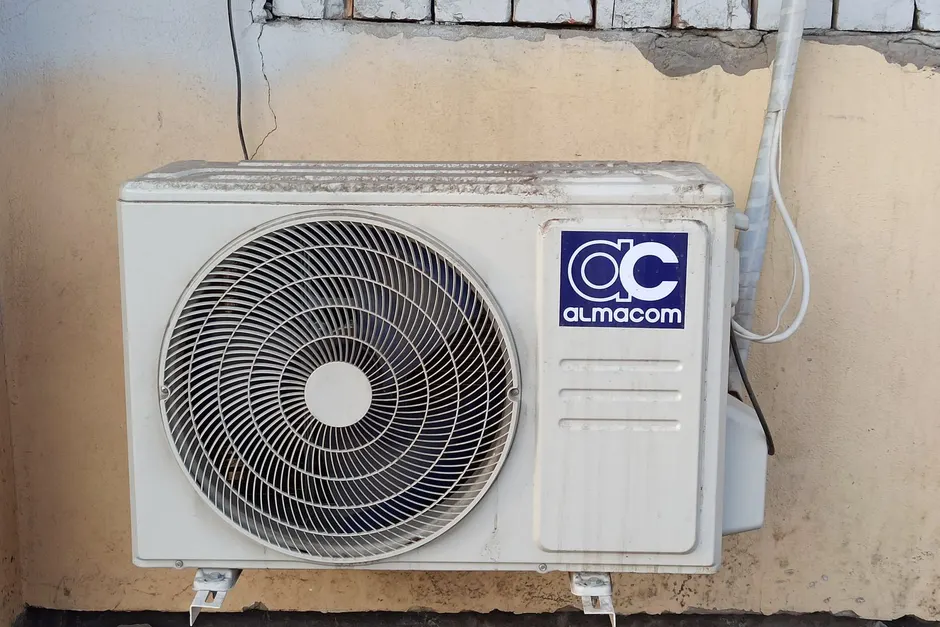
The outdoor condenser dumps your home's heat outside. When its fins pack with grass clippings, dust, or — near the coast — salt corrosion, it cannot release heat and cooling drops off. Keep two feet of clear space around it. You can rinse it gently with a hose; never blast it, or you will bend the fins.
4. A frozen evaporator coil
Ice on the copper line or the indoor unit means the coil has frozen, usually from restricted airflow or low refrigerant. The system looks like it is running hard, but it is blowing over a block of ice. Turn it off, set the fan to ON to thaw it (a few hours), and replace the filter. If it freezes again, it needs a tech — running a frozen system can wreck the compressor.
5. Low refrigerant — which means a leak
Here is the one most companies will not lead with: refrigerant is not a consumable. An AC runs on a sealed, closed loop — it does not burn refrigerant the way a car burns gas. If your system is low, it is leaking. So a tech who "tops off your freon" and leaves without finding the leak has sold you a repair that fails again in weeks. Refrigerant is also federally regulated; only an EPA Section 608-certified technician can legally handle it. The honest repair finds the leak and gives you the real repair-or-replace math — especially on older R-22 units.
6. A failed capacitor or electrical fault
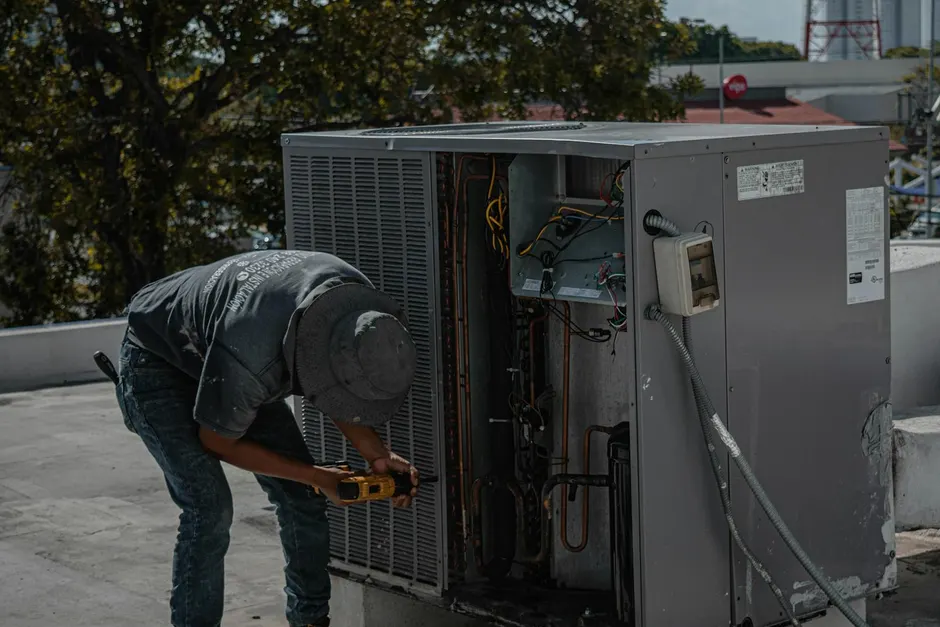
The capacitor starts the compressor and fan motors. When it fails, the outdoor unit often hums but the fan will not spin, and the indoor side just circulates warm air. Capacitors are a common, relatively minor repair — but they are a technician's job, not a DIY one.
7. A failing compressor
The compressor is the heart of the system; it moves the refrigerant that carries heat outside. When it weakens or fails, the AC runs but cannot cool. This is the most serious item on the list, and on an older unit it is often the point where replacement beats repair.
Two causes most checklists miss
The national lists stop at seven. In a humid climate, two more come up constantly:
- A clogged condensate drain line. Your AC pulls gallons of water out of the air and drains it away. When that line clogs — which it does fast in our humidity — a safety float switch shuts the whole system down to stop water damage. The symptom looks like a dead AC; the fix is clearing the drain.
- An oversized system that short-cycles. A unit too big for the house cools the air fast, shuts off, and never runs long enough to pull the moisture out. The thermostat reads 72 and the house still feels clammy. That is a sizing problem, not a repair, and it is the most common install mistake we see.
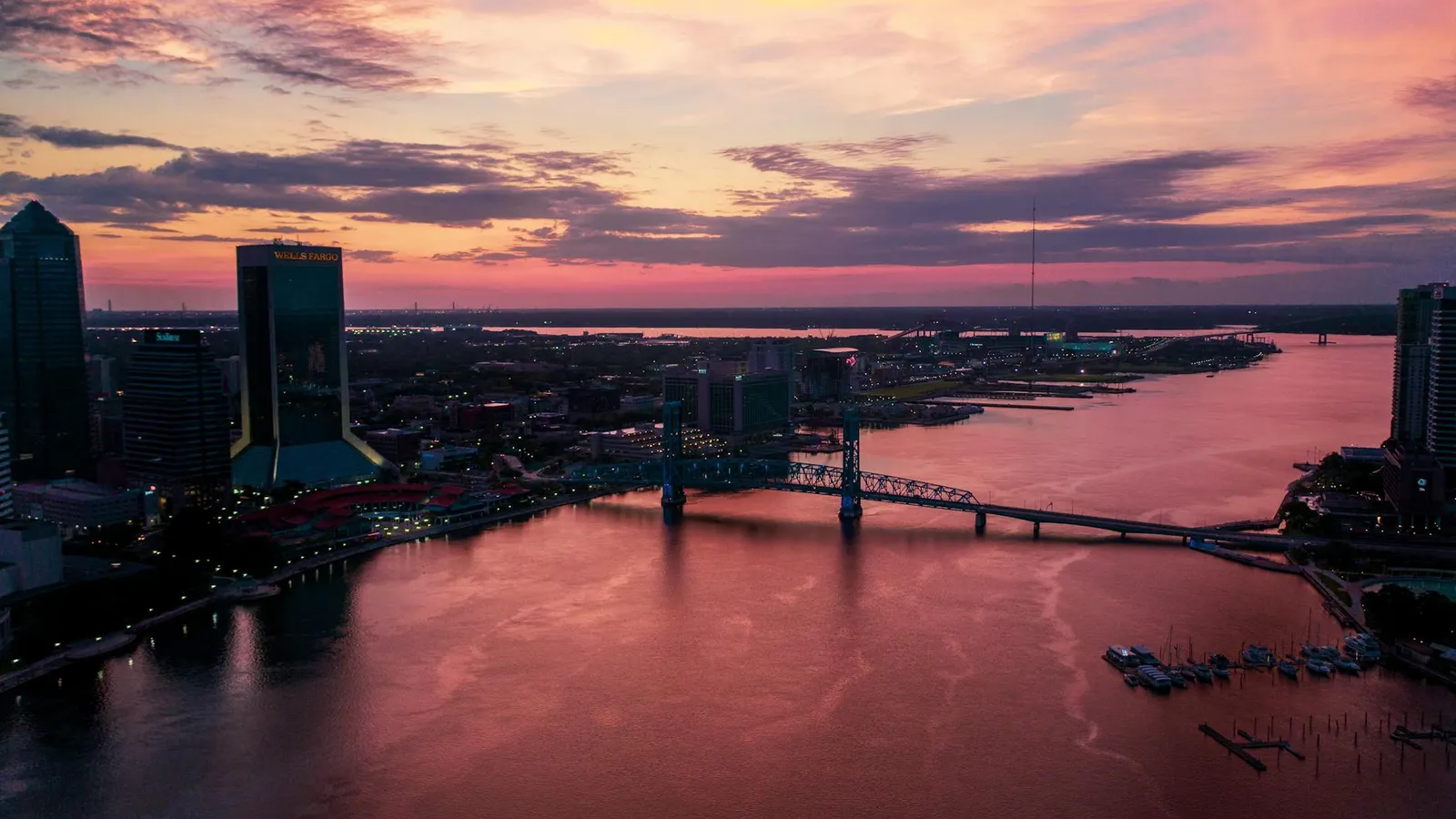
Why Jacksonville units fail more than most
A Jacksonville air conditioner runs harder and longer than systems almost anywhere — from March into October it carries a near-constant load. It is the hours, not just the age, that wear these systems out, which is why a fault that takes years to surface up north shows up here in one brutal summer.
Salt makes it worse near the water. Out toward Atlantic Beach, Neptune Beach, and Ponte Vedra, salt air corrodes the outdoor coil faster than it does inland and quietly strangles cooling over a few seasons. None of that means your system is junk — it means a spring tune-up here is not optional the way it is in a mild climate. The U.S. Department of Energy notes a clogged filter and dirty coils can significantly cut a system's efficiency, which shows up as both weak cooling and a higher bill.
When you should not call a company yet
We would rather you keep your money than pay for a truck roll you did not need. Do not call yet if:
- You have not checked the filter, thermostat, and breaker. A large share of "no cooling" calls are one of these three.
- The unit is frozen and you have not thawed it. Nobody can diagnose a block of ice. Thaw it first and see if it holds.
- It just lost power. Give the compressor its built-in restart delay — a few minutes — before assuming it is broken.
- It cools fine but the bill is high. That is a tune-up or sizing conversation, not an emergency repair.
The flip side: if the breaker trips twice, you smell burning, or ice keeps returning after a proper thaw, stop experimenting. Running a system through those is how a cheap capacitor problem becomes a compressor replacement.
For an AC still not cooling after these checks — or one you suspect is leaking or freezing up — call us directly. No forms, no hold music: get in touch, or see our maintenance plans to keep it from happening again. We run every job ourselves in Jacksonville, and we will tell you the same thing we just wrote — including when the answer is that you do not need us.
Mr Freeze HVAC — air conditioning repair and honest diagnostics across Duval County, FL since 2025.
We find the actual fault before we quote it. If your system is leaking, we tell you what fixing it costs versus what you are throwing away — not just top it off and leave.
FAQ
Why is my AC running but not cooling?
The blower has power and air is moving, but the cooling side has failed. Common causes are a dirty filter, a frozen coil, low refrigerant from a leak, a failed capacitor, or a clogged drain line tripping the safety switch. Check the filter and thermostat first; if the air still is not cold, it needs a technician.
Should I turn off my AC if it is not cooling?
Yes, in two cases: if you see ice on the unit, or if the breaker trips a second time. Running a frozen or faulting system can turn an inexpensive repair into a compressor replacement. Turn it off, run the fan to thaw any ice, then assess.
How do I reset a central AC that is not blowing cold air?
Set the thermostat to OFF, then flip the AC's breaker off and back on at the panel. Wait five minutes for the compressor's restart delay before switching the thermostat back to COOL. If it trips the breaker again or still will not cool, stop — that points to a fault, not a reset.
Can a dirty filter cause the AC to stop cooling?
Yes. A clogged filter is the most common cause of weak or no cooling. It starves the system of airflow, which drops performance and can freeze the evaporator coil and stop cooling entirely. Replacing a dirty filter is the first thing to try.
Why is my AC freezing up?
A coil freezes from restricted airflow (a clogged filter, dirty coil, or failing blower) or from low refrigerant. Turn the system off, run the fan to thaw it, and replace the filter. If it freezes again, the cause is airflow or refrigerant and it needs a pro.
Does an AC not blowing cold air mean I need a new system?
Usually not. Most no-cooling problems are a filter, thermostat, capacitor, or drain-line issue — minor repairs. Replacement only makes sense when a major part like the compressor fails on an older unit, or the system still runs R-22 refrigerant. A good technician gives you the math, not a sales pitch.
How do I know if my AC is low on refrigerant?
Signs include the system running constantly without cooling, ice on the lines, warm air at the vents, and sometimes a hissing or bubbling sound. Because the system is a sealed loop, low refrigerant always means a leak — it should be found and repaired, not just topped off.